

San Antonio Weather: A Comprehensive Guide to Forecast, Temperature, and More
When you plan your trip or day there, you should understand the San Antonio weather to make good decisions. If you’re going out to see sights, join in activities, or commute to work, looking up the forecast lets you be well-prepared for any weather. The guide covers information on temperature, humidity, rainfall, and wind speed, explaining what to expect from San Antonio weather all year long. Proper information will make it easier for you to organize activities, as you will know the effects of the weather on you.
A Look at San Antonio’s Weather Expectations
Residents and tourists need to keep an eye on the San Antonio forecast to help with scheduling. As San Antonio has semi-arid weather, the city is hot in summer but mild in winter. There is plenty of rain in the city all year round, but it tends to be unpredictable. Summer temperatures are generally in the 90s in San Antonio, as indicated by the weather forecast which has typically a few thunderstorms. At this time of year, the weather is very pleasant, allowing for plenty of fun outside.
The temperature in San Antonio is hot during the summer and mild during winter.
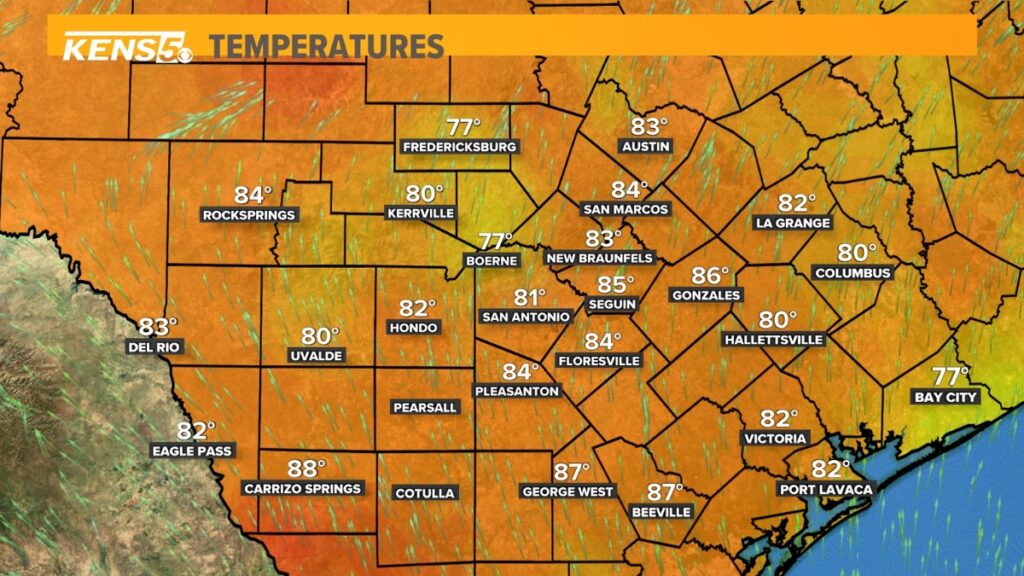
San Antonio has large temperature swings and the hottest time of year is June through September. During most of these months, the temperature is near or above 90°F, reaching more than 100°F (38°C) at times, so you’ll want to think about the San Antonio heat when organizing outdoor events. In winter, temperatures in the area fall into the 50s and 60s °F (10–20°C), making Florida a comfortable break from the cold up north.
Important Features to Be Aware Of
- Temperatures in San Antonio may go above 100°F (38°C) during summer.
- Temperatures during winter usually stay in the range of 50–60°F (10–20°C).
How Humidity in San Antonio Impacts Your Life
Although the year-round humidity isn’t very high, it seems more intense in the summer months. The humidity in New York changes from time to time, but it rises when it’s hot outside, making the temperature seem greater than it is. With the San Antonio Weather hot air coming in, San Antonio’s humidity makes it feel a lot hotter than it is. If you’re not used to how humid the air is here, being active outside may become difficult.
Ways to Deal with Too Much Humidity
- Choose things made from light materials that breathe well.
- Make sure to drink plenty of water to avoid getting heat exhaustion.
- Avoid doing things outside when the humidity is very high.
San Antonio Weather: A Look at the Dry and Wet Conditions
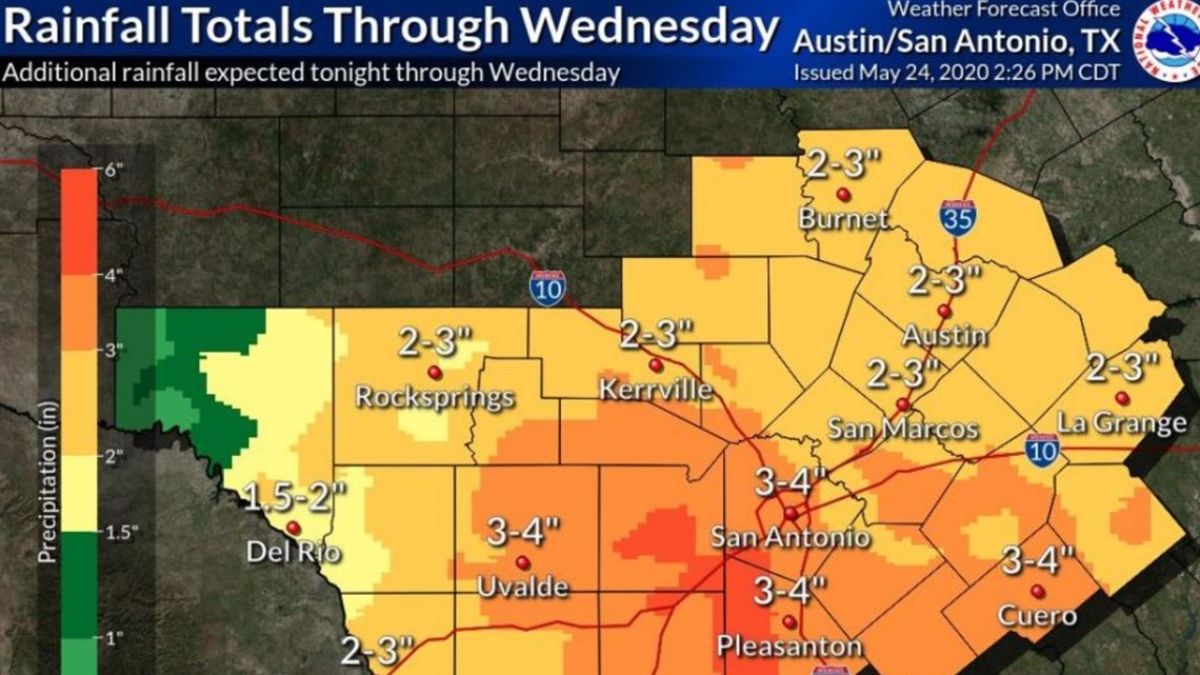
There are certain times of year when San Antonio sees a lot of rainfall. San Antonio sees most of its rainfall in spring and early summer, and the rain can cause local flooding from occasional showers. During very hot months, dry conditions in San Antonio can cause the authorities to stop providing water and set more fire hazards free. You should stay informed about how much rainfall has occurred in San Antonio, because changes in rain can affect outdoor plans.
What San Antonio’s Heat Index Means for You
The heat index in San Antonio is very important for determining outside comfort. In the hottest months, both the heat and humidity make it uncomfortable because the index temperature is even higher. A heat index higher than 105°F (40°C) in San Antonio could put you at risk for heat exhaustion or heatstroke if you’re not prepared for the heat.
How to Handle Hot Weather:
- Go for a break and stay in the shade often.
- Wear sunscreen to prevent getting a sunburn.
- You may also want to turn on fans or air conditioning.
Be Careful as the UV Index is High in San Antonio
It is crucial to watch the San Antonio UV index when looking at the area’s weather. Being in a hot, sunny area, San Antonio has a high UV index during the summer, so it’s very important to protect yourself from the sun. Just because it’s cloudy doesn’t mean your skin is safe from UV radiation. People in San Antonio should use sunscreen, put on protective clothing, and find shade if the UV index is high.
San Antonio Enjoys Everything from Mild to Forceful Winds
Winds in San Antonio weather fluctuate across the year, but they are generally not strong and remain mild. Cold fronts or thunderstorms often make the wind in San Antonio rise quickly. Winds in San Antonio can pick up strength due to spring thunderstorms and tornadoes. Strong winds over 100 mph (160 km/h) are possible from tornadoes every so often here.
Know How San Antonio’s Air Quality Can Be Affected by Pollution
Anyone having respiratory problems should be careful about their exposure to the San Antonio air. The air is acceptably clean most of the year, only rising during summer through increased ozone, meaning it may worsen problems for people with breathing difficulties. People can use air quality data for San Antonio to determine when not to be outside for activities.
How to Be Ready for San Antonio’s Severe Weather
Each spring and summer, San Antonio residents have to be concerned about severe weather. In San Antonio, it’s possible to experience thunderstorms, strong rainfall, and tornadoes. Tornado risk in San Antonio is at its highest in the spring months, when the environment helps create tornadoes. Watching San Antonio weather alerts and looking at San Antonio weather radar will help you be aware of any weather changes in advance.
San Antonio Thunderstorms and Tornado Risk, Explained
Thunderstorms occur often in San Antonio during the summer, accompanied by heavy rain, lightning, and strong winds. Dangerous weather, including flash floods and tornadoes, is possible with these kinds of storms. San Antonio sees most of its tornado risk come in spring and early summer, with occasional issued tornado warnings. It’s necessary to stay aware during storm season and be ready to seek shelter if you have to.
What You Should Know About the San Antonio Hurricane Season
The hurricane season in San Antonio is between June and November, but the city is not generally damaged by hurricanes like those found at the coast. Yet, the area in San Antonio Weather can still experience heavy rain and flooding due to the parts of hurricanes or tropical storms that make their way over the region. Following the latest weather news for San Antonio and tracking storms can prepare residents for approaching problems from the Gulf Coast.
What You Should Know About San Antonio’s Climate Year-Round
Because San Antonio has a semi-arid climate, it enjoys warm seasons, dry weather, and mild temperatures in the winter months. Because of its warm climate, San Antonio is attractive for travelers from elsewhere who want to get away from cold areas in the United States at any time of year. Visitors should take winter clothes, though, because the weather in winter can be a bit changeable.
How to Deal with Flooding in San Antonio
Since rain showers can happen at any time, San Antonio residents must consider flood risk. In places with drainage problems or that lie lower in altitude, flash floods can appear quickly. Be sure to check for flash flood warnings on the radar after big rain events in the San Antonio area.
Keep Up with San Antonio Weather Alerts and Latest News
Staying informed is particularly important if you want to learn about the current San Antonio weather. Residents can receive San Antonio weather alerts about strong storms, tornado risks, and areas at risk of flooding. A local service or a San Antonio weather app will give you immediate alerts when the forecast changes.
Want accurate weather information? Head to the San Antonio Weather Station.
If weather tracking appeals to you, the San Antonio weather station lets you check real-time temperature, humidity, and wind speed. Knowing the results of this station means you know what to expect from the weather, no matter where you are.